Seasonal Reading Challenge: 12 Books for a Cosy Winter
October 08, 2026 - Reading Lists


October 08, 2026 - Reading Lists

October 07, 2026 - Book Clubs
October 06, 2026 - Literary News
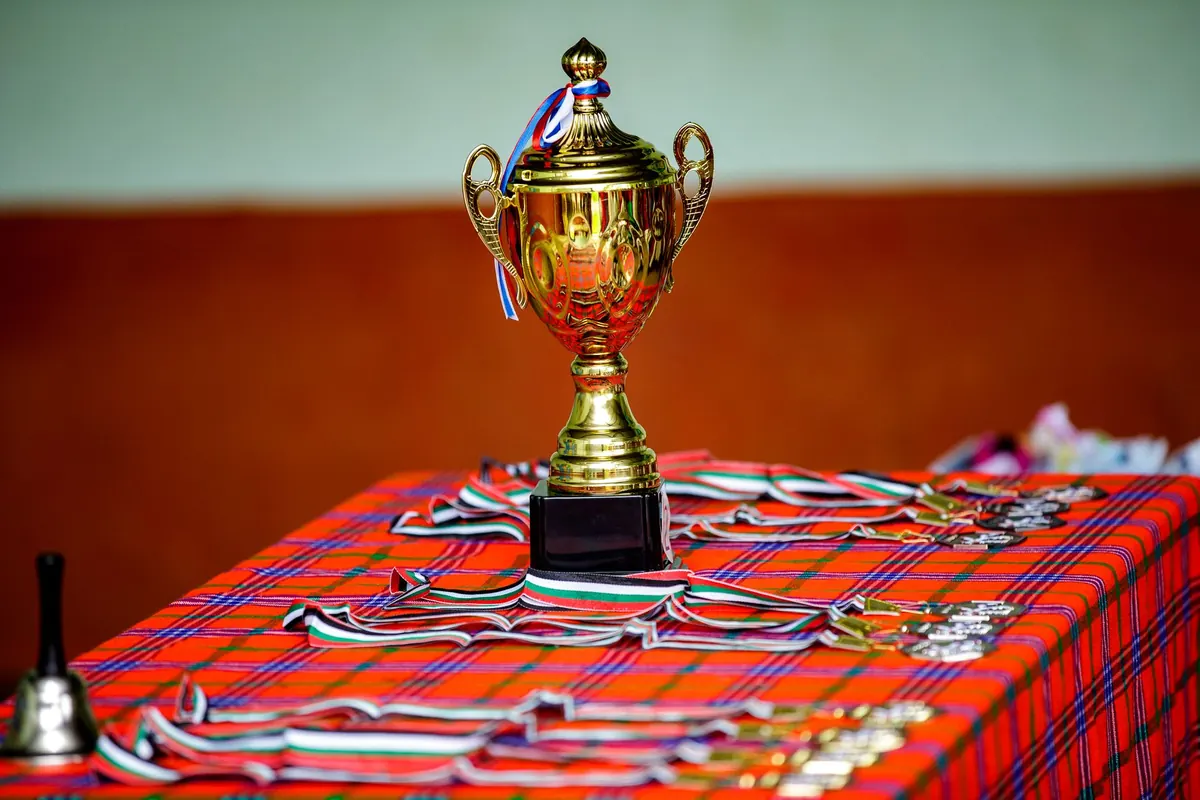
A shortlist looks like an administrative event: six or so titles, a judging meeting, a press release timed for midnight. Then the covers change. Within a week, the same handful of books appears face-out on the front table, wearing stickers, discounted by a pound, and shelved in the window of a shop that had one copy a fortnight earlier. Prizes reward books, but they also rearrange the shelves. Knowing how that machinery works makes you a sharper reader — and a harder one to herd.
Most UK prizes run in two stages. A longlist tells booksellers where to look. A shortlist, usually four to six books, tells them where to spend. Long before the announcement goes public, publishers and buyers are briefed under embargo so that display space, interviews and reprints can be arranged. That is why the table in your local shop looks so confident on announcement morning: it was planned weeks earlier.
Publishers then move fast. They over-sticker existing stock, order a reprint, and bring forward a paperback if one is due. A shortlist place can matter more to a debut novelist than a win at a smaller prize matters to a household name, because everything is measured against what that book would otherwise have sold. For a well-known author, a shortlisting is confirmation. For a first-timer, it can be the difference between a modest print run and one that keeps a small press going for another year.
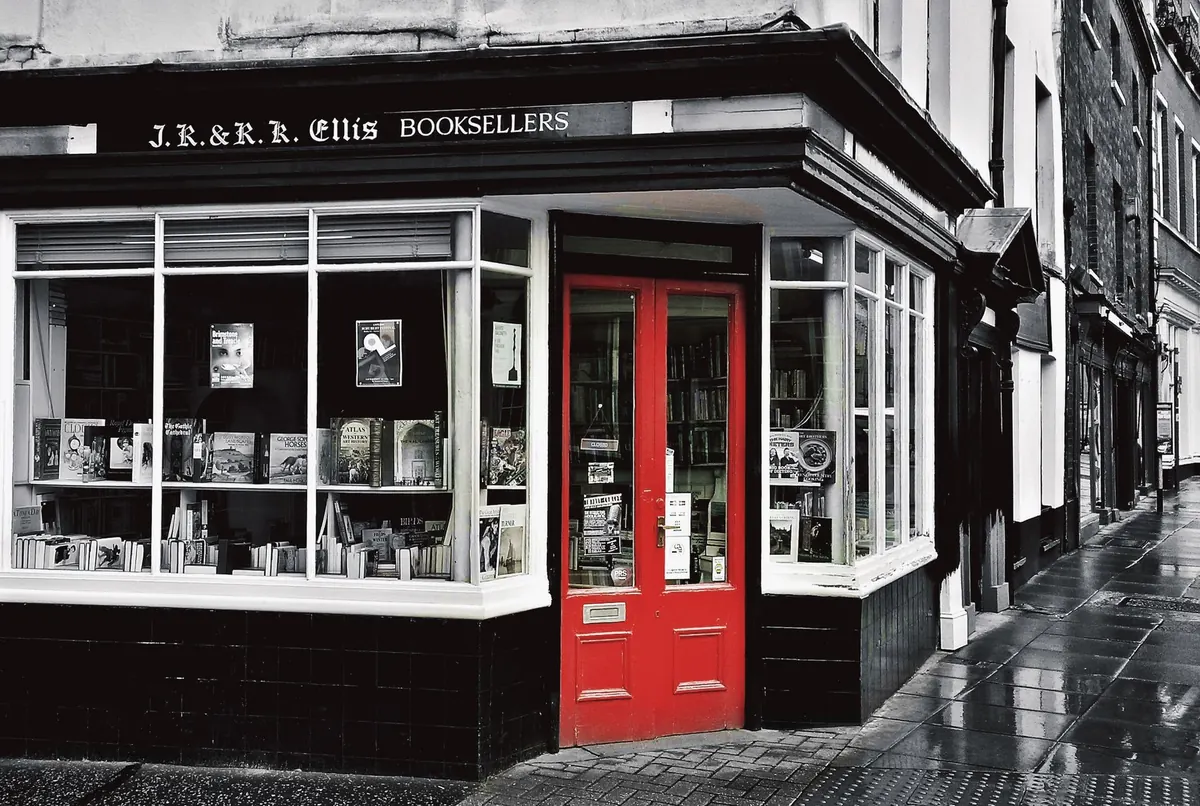
Walk into any decent bookshop in the fortnight after a shortlist lands and you can read the announcement physically. Chain branches receive a promotional pack: table plans, shelf talkers, window vinyls. Independent shops, working with far smaller budgets, do it by hand — handwritten cards, a themed table, a stack by the till. Both are chasing the same reader: someone who has just finished a book and wants a recommendation they can trust without doing the research themselves.
The commercial window is short. Most shortlist-driven sales cluster in the four to six weeks between the announcement and the winner, with a smaller spike afterwards for the victor and a long, slow tail for everyone else. Then the books migrate to a three-for-two table, then to a gift section, then to the second-hand market, where the sticker stops being a selling point and becomes a souvenir of a season that has passed.
The UK charts are compiled from till data supplied by booksellers and reported weekly in the trade press and the Sunday papers. Watch them through a prize season and a pattern repeats: a longlisting nudges a title up, a shortlisting pushes it into the upper reaches, and the win produces a final, sharper spike. What surprises people is how often the biggest jump comes earlier than the headline moment. News that a book has made a longlist is frequently enough to make a reader who had vaguely heard of it finally buy a copy.
Charts also flatten the story. A non-fiction title shortlisted for a serious prize might sell comparatively modestly and still be a triumph for its publisher, because a nature or history prize reaches readers the general charts barely register. Chart position tells you about volume. It says much less about influence, particularly in poetry, translated fiction, children's publishing, or anything from a press with three employees.
Shortlists work as a filter in a market with far more new titles than any reader can survey. In practice, they produce a handful of effects:
Prizes are not a fair distribution system, and it is worth saying so plainly. A shortlisting does not guarantee sales: an expensive hardback, an unappealing jacket, or a title in a genre that the prize's audience does not actually read can still sit on the table unsold. Small presses may struggle to reprint quickly enough to meet demand, which means the biggest commercial benefit can pass to a publisher that already had stock in the warehouse. Judging rows, sponsorship controversies and arguments about whose books get noticed are part of the furniture of prize season, and they are not unreasonable complaints.
There is also the question of what prizes choose to reward. Lists skew towards literary fiction and serious non-fiction, while crime, romance, science fiction, poetry and children's books are served by separate awards with much smaller media reach. A superb romantic novel that wins its own prize will not receive the broadcast coverage of a major literary shortlisting, and no amount of merit changes that arithmetic.
Treat a shortlist as a service, not an instruction — like a well-read friend's recommendation. Useful, not compulsory.
Prizes are at their best when they act as a shortcut into unfamiliar territory. Let them widen your reading rather than narrow it, and keep a little scepticism about the table at the front of the shop. It was built to sell you something — though occasionally, and pleasingly often, it sells you something worth keeping.
Photo: Josiah Matthew / Pexels
A three-month reading challenge with twelve winter-themed books for December, January and February, plus practical...
Five habits that quietly ruin book club evenings, from turning up without finishing the book to talking over...
October 08, 2026 - Reading Lists
October 07, 2026 - Book Clubs
October 06, 2026 - Literary News
Copyright © 2026 Spine Trove. All Right Reserved.