Seasonal Reading Challenge: 12 Books for a Cosy Winter
October 08, 2026 - Reading Lists


October 08, 2026 - Reading Lists

October 07, 2026 - Book Clubs

October 06, 2026 - Literary News
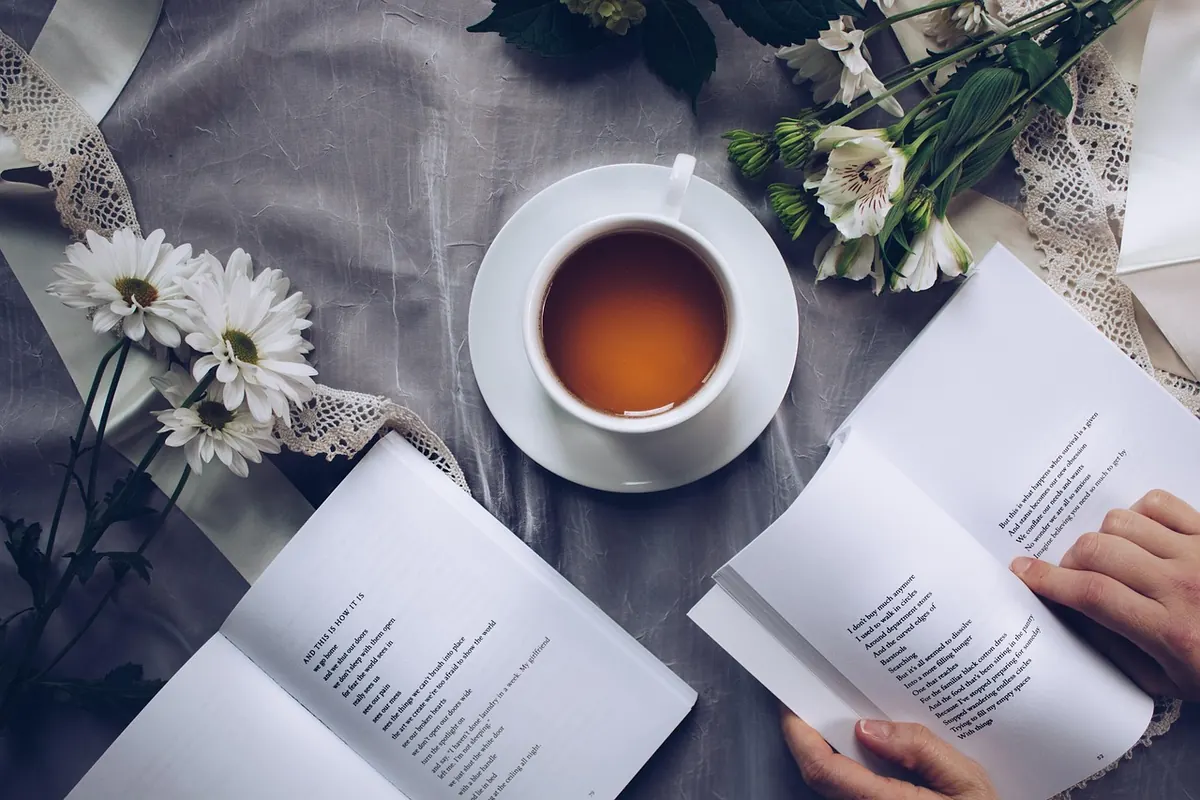
Poetry has a reputation problem. Somewhere between school exams and the poetry shelf in a bookshop, it picked up a label: difficult, precious, not for people like us. The reality is calmer than that. A poem is writing that pays close attention to language, and reading it well is a skill you can pick up in an afternoon. You do not need a degree, a glossary, or a theory about metre. You need one poem, ten quiet minutes, and the willingness to read it twice.
Plenty of poetry is written in plain, spoken English, and that is where a beginner should begin. Save the dense, allusive stuff for later; it will still be there when you are ready for it.
Wendy Cope is a good first stop. Her poems are funny, often formally neat, and unafraid of ordinary feeling. Carol Ann Duffy's The World's Wife gives voices to the wives of famous men, and each one is short enough to read standing up. Simon Armitage writes in a wry, Yorkshire-inflected voice about matches, mothers and museums. Mary Oliver's Devotions is a generous selection of poems about walking, noticing and grief, written in lines you can follow at first reading. Jackie Kay writes warmly and directly about family, identity and love.
If you prefer something older, try Philip Larkin's The Whitsun Weddings or Seamus Heaney's Death of a Naturalist. Both are plainspoken on the surface and much stranger underneath.
One tip: read three or four poems by the same poet rather than one poem by twenty different ones. A voice takes a little while to tune into.
Line breaks are timing instructions. When a poem ends its line on a word that does not finish the sentence, that pause is deliberate, and it changes how the next line lands. You only hear this when your mouth is moving.
Read once for sense — just get to the end and find out what happens. Then read it again for sound, a touch slower. Notice where you run out of breath. Notice where the rhythm speeds up or stumbles. If a sentence is awkward to say, that is worth asking about: sometimes it is clumsiness, sometimes it is the point.
Most poems that seem baffling on the first pass make a great deal more sense on the third. Rereading is not a failure of understanding; it is the method.
Writing on a page feels transgressive if you grew up being told not to. Get over it. A pencil in hand keeps you in the poem rather than drifting past it.
Your notes are a record of your reading, not a test answer. Nobody is marking them, and a page of half-sentences you understand is worth more than a tidy page you do not.
The question "what does this poem mean?" tends to freeze people. Try a different one: what is this poem doing? Describe the scene, the situation, the tone, the way the language behaves. Meaning usually arrives sideways, while you are busy noticing something else.
Paraphrase the poem in your own words and you will often find it is saying something quite direct. If a poem resists you after three genuine attempts, put it down. Taste is allowed. Half of reading poetry is discovering what you dislike, and that is not a small pleasure either.
Anthologies are the cheapest, fastest way to meet a lot of poets. A few that repay the money:
Then use your ears. The Poetry Archive holds free recordings of poets reading their own work, which is the closest thing to hearing the poem as it was written. Local libraries and charity shops are full of second-hand collections for very little money. Poetry magazines, including those published by the Poetry Society, will show you what is being written now.
Ambition is the enemy here. Do not plan to read a collection a week. Plan to read one poem, five days out of seven, aloud, twice through. Keep a notebook and copy out one line you liked each time, with the poet's name and the title. After a month you will have twenty lines and a fair idea of what you respond to.
Then follow the thread. If three poems by one poet worked for you, borrow their collection from a library and read the first twenty pages. If a pamphlet caught your eye, buy it — there is no wrong order to this.
When you find a short poem you love, learn it by heart. Memorising is not showing off; it is the only way to hold a poem inside you, where it can go on working in the queue, on the bus, at three in the morning. Ten minutes a day, one poem at a time. That is the whole method.
Photo: ThoughtCatalog / Pixabay
A three-month reading challenge with twelve winter-themed books for December, January and February, plus practical...
Five habits that quietly ruin book club evenings, from turning up without finishing the book to talking over...
October 08, 2026 - Reading Lists
October 07, 2026 - Book Clubs
October 06, 2026 - Literary News
Copyright © 2026 Spine Trove. All Right Reserved.